Navigating Eczema Flare-Ups: My Personal Experience and Tips
Eczema, clinically referred to as atopic dermatitis, is a chronic inflammatory skin condition characterized by dry, itchy skin that can become red, swollen, and cracked. Symptoms can vary, with some individuals experiencing only mild dryness, while others endure intense itching and significant skin damage due to scratching. Flare-ups, are periods when eczema symptoms worsen. They can range from mild irritations to severe outbreaks that affect daily functioning. Mild flare-ups may manifest as slight redness and dryness, while severe episodes often lead to significant inflammation, oozing, and crusting of the skin, which may require medical intervention. The unpredictability of flare-ups can create a persistent sense of anxiety, as individuals find themselves constantly managing their skin condition.
Common triggers of eczema flare-ups encompass a wide variety of environmental and lifestyle factors. These can include irritants such as harsh soaps, detergents, and certain fabrics like wool. Allergens like pollen, mold, and pet dander can also incite an inflammatory response. Weather changes, particularly dry, cold climates, and excessive heat or sweating can exacerbate symptoms. Understanding these triggers is crucial for developing effective management strategies, fostering an environment that minimizes exposure to potential irritants.
My Journey with Eczema: Flare-Ups Over Time
As someone who has battled eczema for years, I have witnessed firsthand the tumultuous nature of flare-ups and their impact on daily life. When I first began to experience symptoms, the flare-ups seemed relentless, occurring several times a month. Each breakout was uncomfortable and inconvenient, often disrupting my routine significantly. In those early days, it felt as though I was constantly fighting an uphill battle.
Over time, I noticed patterns in my flare-ups, leading me to discover various triggers. Products containing fragrances and harsh ingredients exacerbated my condition. Additionally, seasonal changes brought about variations in my symptoms, making the transition from summer to fall particularly challenging. I live in a very cold climate so winter can be excruciating for my skin.
With this newfound understanding, I began implementing gradual lifestyle changes to minimize my exposure to these triggers. For example, I switched to fragrance-free products, both in personal care and household cleaning. I also made adjustments to my wardrobe, opting for breathable fabrics like cotton. Furthermore, I established a consistent skincare routine that included intense moisturizers aimed at creating a protective barrier against irritants.
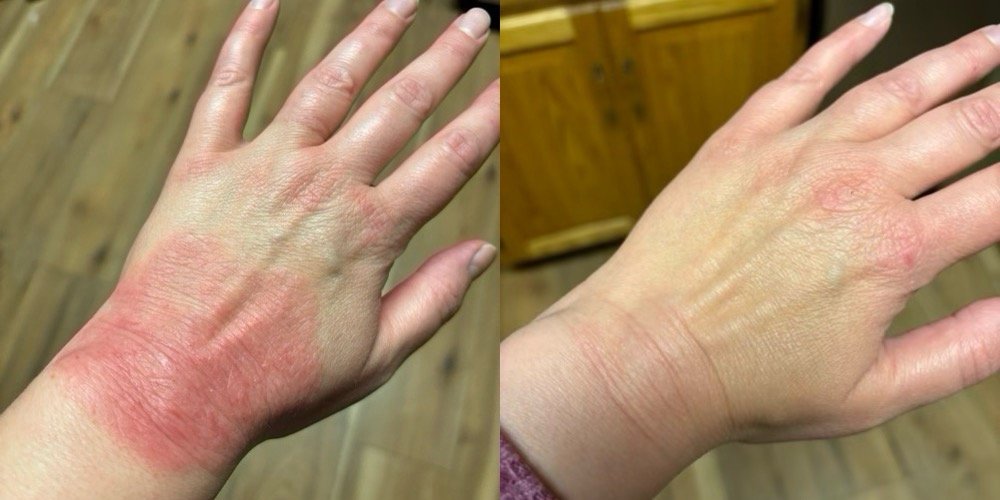
As a result of these changes, I have seen a significant reduction in the frequency and severity of my eczema flare-ups. What once plagued me regularly has now transformed into an infrequent nuisance. Currently, I average only one or two minor flare-ups during the year, contrasted with the distress I faced in the early stages of my journey. Here is a side by side comparison of how my hand looked during a bad flare up and how it looks consistently now.
Products That Help Me During a Flare-Up
Eczema flare-ups can be uncomfortable and distressing, making it essential to have effective products at hand to manage symptoms. Through my personal experience, I have identified several items that provide significant relief during these challenging episodes. Below are some of the most beneficial products that have helped me cope with eczema flare-ups.
Firstly, Cetaphil Moisturizing Cream is a lifesaver for those with eczema-prone skin. This cream is formulated with essential ceramides that help restore the skin barrier and retain moisture. Its non-greasy formula absorbs quickly and offers long-lasting hydration, alleviating the dryness that often accompanies flare-ups.

- CETAPHIL FACE & BODY MOISTURIZING CREAM FOR DRY TO VERY DRY SKIN: Instantly replenishes, intensely nourishes and soothes…
- INTENSE AND LASTING 48-HOUR HYDRATION: Enriched with sweet almond oil and vitamin E, it is clinically proven to instantl…
- CLINICALLY PROVEN TO RESTORE SKIN’S MOISTURE BARRIER: Binds water to the skin, preventing moisture loss to hydrate and p…
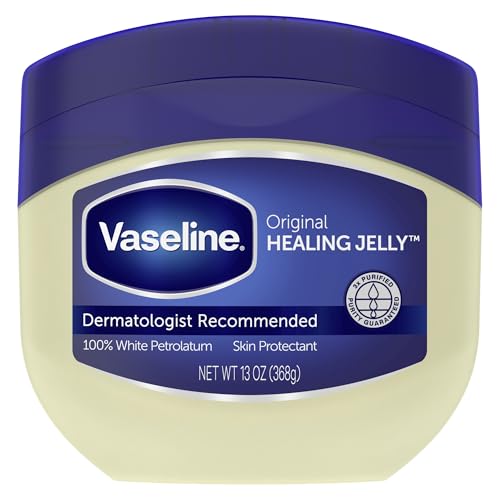
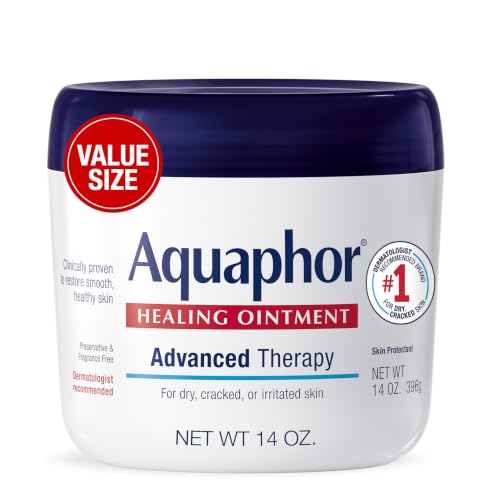
Another product that I frequently rely on is the Aquaphor Healing Ointment or Vaseline. Ideal for soothing cracked and irritated skin, this ointment creates a protective barrier that locks in moisture. Its multi-purpose nature makes it suitable not only for eczema but also for minor cuts and scrapes, promoting overall skin healing. I use this mostly at night before bed to keep my skin hydrated and protected all night.
When it comes to topical treatments, I recommend Exederm Flare Control Cream. This over-the-counter hydrocortisone cream reduces inflammation and itching associated with flare-ups. It’s important to use it as directed and not to exceed the recommended duration of use to avoid skin thinning.

- Helps Relieve Flare-Ups: Exederm eczema cream temporarily relieves itching associated with minor irritations, rashes & i…
- Maximum Strength Without a Prescription: Our hydrocortisone cream helps provide quick relief from itchy, irritated skin …
- Skin Loving Ingredients: Our cream is formulated for ultra sensitive skin. Contains Hydrocortisone Acetate USP 1% with s…
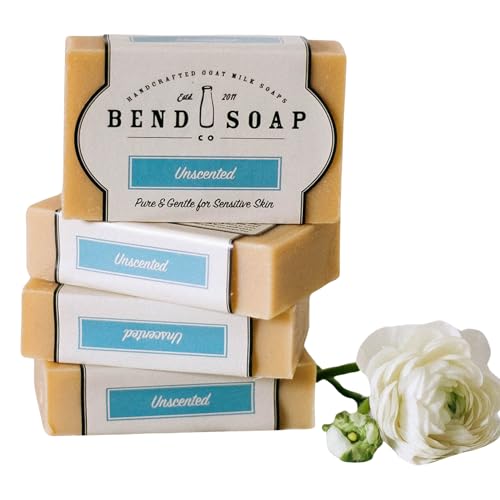
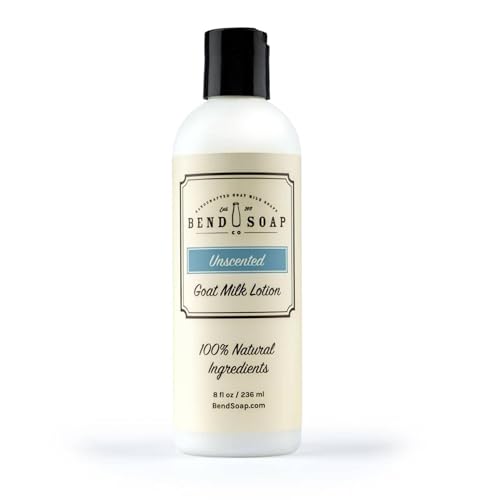
For bath time relief, incorporating Bend soap bath products into your routine can provide soothing benefits. They help calm irritated skin and can temporarily alleviate itching. These bath treatments also act as gentle cleansers that won’t strip the skin of its natural oils. I cannot recommend all of Bend Soap Company’s products enough. They are the best on the market for eczema!

Lastly, I find that using a humidifier at home can significantly reduce flare-up frequency by adding moisture to the air. Especially during dry winter months, maintaining a humid environment helps keep skin hydrated, which is crucial for eczema management.

- 𝙁𝙖𝙨𝙩 𝙃𝙪𝙢𝙞𝙙𝙞𝙛𝙞𝙘𝙖𝙩𝙞𝙤𝙣 𝘼𝙡𝙡 𝙉𝙞𝙜𝙝𝙩: Runs for up to 25 hours on low thanks to its SUPER LARGE capacity of 2.5 liters. The soot…
- 𝙀𝙖𝙨𝙮 𝙏𝙤𝙥-𝙁𝙞𝙡𝙡 𝘿𝙚𝙨𝙞𝙜𝙣: LEVOIT listened to feedback from humidifier customers and upgraded to a easy top-fill design. No n…
- 𝙈𝙪𝙘𝙝 𝙀𝙖𝙨𝙞𝙚𝙧 𝙛𝙤𝙧 𝘾𝙡𝙚𝙖𝙣𝙞𝙣𝙜: Easily clean the inside of the tank through its big opening. The detachable designs and simple…
What to Avoid During an Eczema Flare-Up
Experiencing an eczema flare-up can be quite uncomfortable and challenging, particularly when trying to identify and avoid potential irritants that may exacerbate the condition. Understanding what to avoid is crucial for minimizing discomfort and promoting healthier skin.
Harsh soaps and cleansers are also significant triggers for eczema flare-ups. Many commercial soaps contain fragrances, dyes, and other irritating ingredients that strip the skin of its natural oils, thereby worsening dryness and inflammation. Instead, individuals with eczema are encouraged to use gentle, unscented, and hypoallergenic products that are formulated specifically for sensitive skin.
Moreover, environmental triggers such as dust mites, pet dander, and pollen can worsen eczema symptoms for many people. Maintaining a clean living environment, frequent vacuuming, and using air purifiers can help reduce exposure to these irritants. Additionally, extreme temperatures—both hot and cold—and low humidity levels can exacerbate dryness, making it imperative to create a comfortable environment that prevents these factors from contributing to flare-ups.
By being strategically cautious about the fabrics worn, the personal care products used, and the environmental factors encountered, one can significantly reduce the occurrences and severity of eczema flare-ups, thus promoting more comfortable skin conditions.
Final Thoughts: Moving Forward with Eczema
Reflecting on my journey with eczema, I realize that progress comes from a combination of knowledge, resilience, and proactive management. Initially, my experiences were overwhelming, filled with uncertainty and distress. However, through dedicated research and consultations with dermatologists, I gradually developed a deeper understanding of my condition. This helped me identify triggers, select suitable treatments, and maintain a consistent skincare routine.
One profound realization is that eczema requires an ongoing commitment to skin health. Implementing preventive measures has become a crucial aspect of my life. For example, I now prioritize moisturizing my skin regularly, especially after bathing, to reinforce the skin barrier. Such practices have not only reduced flare-ups but have also enhanced my overall quality of life.
Affiliate Disclosure: Some links in this post are affiliate links. If you purchase through these links, I may earn a commission at no additional cost to you. I only recommend products I personally use or believe may be helpful.